Teen Patti Rules: How to Play, Hand Rankings and Sequence Guide
October 3, 2026 · All Rummy APK
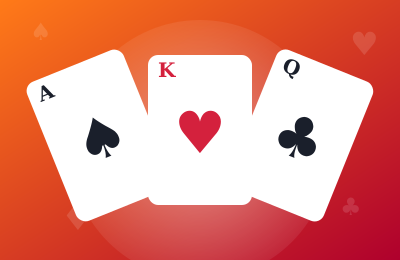
Teen Patti, also known as 3 Patti or Indian Flush, is a traditional Indian three-card game. Players receive three cards, follow the agreed betting rules, and aim to win the pot by having the highest-ranking hand or by being the last active player when everyone else folds.
If you are searching for Teen Patti rules for beginners, how to play Teen Patti, Teen Patti card sequence, or Teen Patti hand rankings, this guide explains the basic setup, card combinations, blind and seen play, betting terms, and winning conditions.
What Are the Basic Rules of Teen Patti?
Classic Teen Patti is commonly played with a standard 52-card deck without jokers. Each player receives three face-down cards, and the game begins with an agreed initial contribution, often called the boot.
The main objective is to win the pot by holding the strongest hand at a showdown or by remaining in the game after other players fold.
The basic Teen Patti rules are:
- Players agree on the table rules and initial stake before the deal.
- Each player receives three face-down cards.
- Players take turns deciding whether to continue, bet according to the rules, or fold.
- Players may remain blind or look at their cards and play seen.
- The game continues until only one active player remains or a showdown determines the winner.
Betting amounts, show conditions, and other rules can vary between traditional games and online platforms. Always check the specific rules before playing.
How to Play Teen Patti Step by Step
Learning how to play Teen Patti becomes easier when you understand the sequence of actions during a round.
Step 1: Understand the Setup
A standard deck is shuffled, and each player receives three cards face down. Players contribute the agreed boot amount to create the initial pot.
Step 2: Choose Blind or Seen Play
A player can usually continue without looking at their cards, known as playing blind, or look at their cards before making decisions, known as playing seen.
The minimum betting amount often differs between blind and seen players.
Step 3: Take Your Turn
Players act in turn according to the table rules. Depending on the game format, they may continue by placing the required stake or fold and leave the current round.
Step 4: Continue Until the Round Ends
The round continues while players remain active. Depending on the applicable rules, a player may request a show when the required conditions are met.
Step 5: Compare the Cards
During a showdown, the relevant hands are compared using the game's hand-ranking rules. The winner receives the pot, subject to the rules of the game.
A player may also win without showing their cards if all other active players fold.
Teen Patti Hand Rankings: Highest to Lowest
Teen Patti hand rankings determine which three-card combination is stronger. Learning these rankings is one of the most important parts of understanding the game.
The commonly used ranking order is:
| Rank | Hand | Meaning | Example |
|---|---|---|---|
| 1 | Trail or Trio | Three cards of the same rank | A-A-A |
| 2 | Pure Sequence | Three consecutive cards of the same suit | 7♥-8♥-9♥ |
| 3 | Sequence | Three consecutive cards not all of the same suit | 7♥-8♣-9♦ |
| 4 | Color | Three cards of the same suit, not in sequence | A♥-J♥-6♥ |
| 5 | Pair | Two cards of the same rank | K-K-5 |
| 6 | High Card | None of the combinations above | A-J-6 of mixed suits |
This is the standard hand-category order used in many classic Teen Patti games. Rules for comparing particular sequences and tied hands can differ between tables.
1. Trail or Trio
A Trail, also called a Trio or Three of a Kind, contains three cards of the same rank.
Examples:
- A-A-A
- K-K-K
- 8-8-8
- 2-2-2
Three Aces is commonly treated as the highest Trail, while three Twos is the lowest. Any Trail beats a Pure Sequence, Sequence, Color, Pair, or High Card.
2. Pure Sequence
A Pure Sequence consists of three consecutive cards of the same suit. It is also known as a Straight Flush or Pure Run.
Examples:
- A♥-K♥-Q♥
- 9♠-8♠-7♠
- 5♦-4♦-3♦
A Pure Sequence ranks below a Trail and above a normal Sequence in the commonly used hand-ranking system.
3. Sequence
A Sequence consists of three consecutive cards that are not all from the same suit. It is also called a Run or Straight.
Examples:
- 9♥-8♣-7♦
- K♠-Q♥-J♣
- 6♦-5♣-4♥
A Sequence beats Color, Pair, and High Card, but loses to a Pure Sequence or Trail.
4. Color
A Color, also known as a Flush, consists of three cards of the same suit that are not consecutive.
Examples:
- A♥-J♥-6♥
- K♣-9♣-4♣
- Q♦-8♦-3♦
When two Color hands are compared, the highest card is generally compared first, followed by the next highest card if necessary.
5. Pair
A Pair contains two cards of the same rank and one different card.
Examples:
- A-A-9
- K-K-5
- 8-8-Q
If two players have a Pair, the higher pair generally wins. If both pairs have the same rank, the remaining card may determine the result.
6. High Card
A High Card hand does not contain a Trail, Pure Sequence, Sequence, Color, or Pair.
Examples:
- A-J-6
- K-10-5
- Q-8-3
When two High Card hands are compared, the highest card is considered first, followed by the next highest card if necessary.
Teen Patti Sequence Rules: A-K-Q, A-2-3 and K-A-2
The Teen Patti sequence order can be confusing for beginners because the Ace may be treated differently in different game formats.
Common examples of valid three-card sequences include:
- A-K-Q
- K-Q-J
- Q-J-10
- 10-9-8
- 5-4-3
- A-2-3, where permitted by the table's Ace rules
In many Teen Patti formats, A-K-Q ranks above A-2-3, but some local or platform-specific rules may rank sequences differently.
K-A-2 is generally not treated as a valid sequence in classic Teen Patti.
Before comparing two Pure Sequences or two normal Sequences, check the specific game's sequence-order rules. Do not assume that every app or local table uses exactly the same Ace ranking.
Blind vs Seen in Teen Patti
Blind and seen are two important terms in Teen Patti. They describe whether a player has looked at their cards before continuing.
What Is Blind in Teen Patti?
A blind player continues without looking at their three cards.
In many traditional formats, blind players can continue at a lower stake than seen players. However, the exact amounts depend on the table rules.
What Is Seen in Teen Patti?
A seen player has looked at their cards. In many traditional formats, a seen player must contribute more than a blind player to continue.
Looking at the cards provides information about the hand, but it does not guarantee that the player will win.
Difference Between Blind and Seen
| Feature | Blind | Seen |
|---|---|---|
| Cards viewed | No | Yes |
| Betting amount | Often lower | Often higher |
| Hand information | Unknown to the player | Known to the player |
| Decision-making | Based on uncertainty and table action | Based on cards and table action |
The exact betting ratio and available actions depend on the rules of the particular game.
Common Teen Patti Betting Terms
Understanding common Teen Patti terminology makes the gameplay easier to follow.
Boot
The boot is the initial contribution made by players to create the pot before or at the start of a round.
Chaal
Chaal refers to a player's turn to continue by putting in the required stake under the game's betting rules.
Pack or Fold
Packing, also called folding, means leaving the current round. A player who folds generally forfeits the amount already contributed to the pot, according to the applicable rules.
Show
A show is a comparison of hands to determine the winner. Traditional Teen Patti games may restrict when a show can be requested and how much it costs.
Sideshow
In some traditional formats, a sideshow allows a seen player to request a private comparison with the previous active player. It is subject to specific eligibility and acceptance rules and may not be available in every version.
These terms can have slightly different implementations across platforms, so consult the relevant rules before joining a game.
How Do You Win in Teen Patti?
There are two common ways to win a round of classic Teen Patti.
Winning by folding: If every other active player folds, the remaining player wins the pot according to the table rules. A showdown may not be necessary.
Winning at a show: When a showdown occurs, the eligible players reveal their cards, and the stronger hand wins according to the applicable ranking rules.
A strong hand does not guarantee a win in every round, and betting decisions involve uncertainty. No strategy can guarantee a particular outcome.
Beginner Tips for Understanding Teen Patti
- Learn the hand-ranking order before playing.
- Understand the difference between a Trail, Pure Sequence, Sequence, Color, Pair, and High Card.
- Confirm the Ace sequence rules for your chosen version.
- Learn the difference between blind and seen betting.
- Understand when a show or sideshow is permitted.
- Read the table rules before the first round.
- Avoid chasing losses or treating card-game outcomes as a reliable source of income.
These tips can help beginners understand the rules and make informed decisions, but they do not guarantee winnings.
Frequently Asked Questions About Teen Patti Rules
What are the basic rules of Teen Patti?
Each player receives three face-down cards. Players take turns continuing under the betting rules or folding. The round ends when one player remains or an eligible showdown determines the winner.
What is the highest hand in Teen Patti?
A Trail, also called a Trio or Three of a Kind, is generally the highest hand category. Three Aces is commonly the strongest Trail.
What is the difference between a Pure Sequence and a Sequence?
A Pure Sequence consists of three consecutive cards of the same suit. A normal Sequence consists of three consecutive cards that are not all of the same suit.
Which is higher in Teen Patti: a Pair or a Color?
A Color generally ranks above a Pair. The standard category order is Trail, Pure Sequence, Sequence, Color, Pair, and High Card.
Is A-2-3 a valid sequence in Teen Patti?
A-2-3 is accepted as a sequence in many Teen Patti formats. Its ranking relative to A-K-Q and other sequences can vary, so check the applicable rules.
Is K-A-2 a valid sequence?
K-A-2 is generally not accepted as a valid sequence in classic Teen Patti. Specific variations should be checked separately.
What is blind play in Teen Patti?
Blind play means continuing without looking at your cards. The betting requirements and available actions depend on the table's rules.
What is a sideshow in Teen Patti?
A sideshow is a private hand comparison available under certain traditional Teen Patti rules, usually between eligible seen players. Not every game version supports this action.
Can a player win Teen Patti without a show?
Yes. If all other active players fold, the remaining player can win the pot without a showdown, subject to the game's rules.
Are Teen Patti rules the same in every app?
No. Core hand rankings are widely shared, but sequence order, betting limits, show conditions, sideshow availability, and other rules may vary by platform or local format.
Conclusion
Understanding Teen Patti rules starts with learning the three-card setup, hand rankings, sequence rules, and basic betting terminology. Once you know the difference between blind and seen play and understand how shows work, the game becomes easier to follow.
Always verify the rules of the specific version you are playing, especially when it comes to Ace sequences, betting amounts, and showdown conditions.
Disclaimer: This article is for informational purposes only. Game rules may vary by platform and location. Check applicable laws and platform terms before participating. Card-game outcomes are uncertain, and no strategy guarantees winnings.
Popular rules searches
Apps to try
 NEW✦✦✦

 NEW✦✦✦
18+ only. Real-money games carry a risk of financial loss. See all apps.