Dragon Tiger Rules: How to Play, Card Rankings and Tie Rules
October 3, 2026 · All Rummy APK
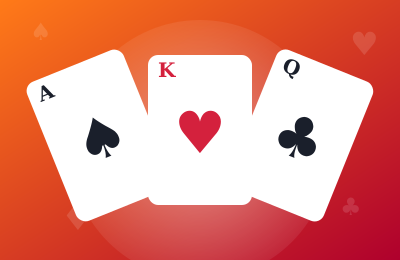
Dragon Tiger is a simple card-comparison game in which one card is dealt to the Dragon side and another to the Tiger side. The objective is to determine which side receives the higher-ranking card. If both cards have the same rank, the round results in a tie under the standard rules.
If you are searching for Dragon Tiger rules, how to play Dragon Tiger, Dragon vs Tiger card rankings, or Dragon Tiger tie rules, this guide explains the game setup, card values, winning conditions, common bets, and important rule variations.
What Is Dragon Tiger?
Dragon Tiger is a two-sided card game that is similar to baccarat in its use of opposing sides, but it uses a much simpler comparison. In the standard version, players do not need to build a hand or add card totals. They compare the rank of one card dealt to Dragon with one card dealt to Tiger.
Many versions use a standard 52-card deck or multiple decks without jokers. The number of decks, betting options, and settlement rules depend on the game provider.
The basic objective is to predict whether Dragon or Tiger will receive the higher card, or whether both cards will have the same rank.
Basic Dragon Tiger Rules
The standard Dragon Tiger game generally follows these steps:
- The dealer prepares the deck or card shoe according to the game's rules.
- Players choose an available outcome, such as Dragon, Tiger, or Tie, if betting is part of the version.
- Betting closes before the cards are revealed.
- One card is dealt to the Dragon side.
- One card is dealt to the Tiger side.
- The two card ranks are compared.
- The higher-ranking card wins, while equal ranks produce a tie under the standard rules.
- Bets are settled according to the published payout table.
The exact number of decks, available side bets, and treatment of ties may differ by provider. Always check the rules displayed for the specific game.
Dragon Tiger Card Rankings
In the common Dragon Tiger format, cards are ranked from lowest to highest as follows:
A, 2, 3, 4, 5, 6, 7, 8, 9, 10, J, Q, K.
| Card | Rank |
|---|---|
| Ace | 1 |
| 2–10 | Face value |
| Jack | 11 |
| Queen | 12 |
| King | 13 |
An Ace is generally the lowest card in Dragon Tiger, while a King is the highest. This is important for players familiar with other card games where the Ace may have a different ranking.
Dragon Tiger Card Comparison Examples
Example 1: Dragon wins
Dragon receives a King, and Tiger receives a 9. The King ranks higher, so Dragon wins.
Example 2: Tiger wins
Dragon receives a 4, and Tiger receives a Queen. The Queen ranks higher, so Tiger wins.
Example 3: Tie
Dragon receives a 7, and Tiger also receives a 7. Both cards have the same rank, so the result is a tie under the standard rules.
In the standard format, suits do not determine the winner of the main Dragon or Tiger bet. Some variants apply additional suit-based rules or offer a separate Suited Tie bet.
Dragon vs Tiger: What Is the Difference?
Dragon and Tiger are the two sides whose cards are compared.
- Dragon: The side receiving the first designated card in the standard dealing procedure.
- Tiger: The side receiving the second designated card.
- Dragon win: The Dragon card has a higher rank than the Tiger card.
- Tiger win: The Tiger card has a higher rank than the Dragon card.
- Tie: Both cards have the same rank, subject to the version's tie rules.
The names Dragon and Tiger identify the two sides. Neither side is guaranteed to win a particular round.
Common Dragon Tiger Bets
Some Dragon Tiger versions offer three main betting options.
Dragon Bet
A Dragon bet predicts that the Dragon card will rank higher than the Tiger card.
For example, if Dragon receives a Jack and Tiger receives a 6, Dragon has the higher card.
Tiger Bet
A Tiger bet predicts that the Tiger card will rank higher than the Dragon card.
For example, if Dragon receives a 5 and Tiger receives a Queen, Tiger has the higher card.
Tie Bet
A Tie bet predicts that both cards will have the same rank.
For example, a 10 against another 10 results in a tie in the standard rank-comparison format. A Tie bet is a separate wager in versions that offer it.
Bet availability and settlement conditions vary by game provider. A Dragon or Tiger selection does not automatically include a Tie bet unless the rules explicitly say otherwise.
What Happens When Dragon Tiger Is a Tie?
A tie occurs when the Dragon and Tiger cards have the same rank in the standard game. The result may affect Dragon and Tiger wagers differently from a dedicated Tie wager.
Depending on the provider, the settlement may work as follows:
- A Tie wager wins according to the published payout rules.
- Dragon and Tiger wagers may lose part of their stake, lose the entire stake, or be settled under another specified rule.
- A Suited Tie wager, if available, may require both cards to have the same rank and suit.
For example, two Queens of different suits create a rank tie in the standard game. They would not normally qualify as a Suited Tie.
Important: Never assume that all Dragon Tiger games use the same Tie payout or refund rule. Read the current rules and payout table before participating.
What Is a Suited Tie in Dragon Tiger?
Some versions offer a separate bet called Suited Tie. It generally requires the Dragon and Tiger cards to match in both rank and suit.
For example, a 9 of Hearts on Dragon and a 9 of Hearts on Tiger would satisfy the matching-rank-and-suit condition in a version that offers this bet.
A regular Tie usually requires matching ranks, whereas a Suited Tie requires a more specific match. The availability and payout of this option depend on the provider.
Dragon Tiger Side Bets: Big, Small, Odd and Even
Some versions offer optional side bets in addition to Dragon, Tiger, and Tie. These are not available in every game.
Big and Small
Certain versions define Big as a card ranked 8 or higher and Small as a card ranked 6 or lower. A card ranked 7 may cause both options to lose.
The exact ranges and eligible betting positions must be confirmed from the specific game's rules.
Odd and Even
Some versions offer bets based on whether a card rank or a combined value is odd or even. The calculation depends on the provider's rules.
Red and Black
Certain variants offer bets based on the colour of the card's suit. These options are separate from the main Dragon-versus-Tiger comparison.
Do not assume that every Dragon Tiger table offers these side bets or uses identical conditions.
Dragon Tiger vs Baccarat
Dragon Tiger and baccarat both compare opposing sides, but the card calculations are different.
| Feature | Dragon Tiger | Baccarat |
|---|---|---|
| Main comparison | One card per side | Hand totals |
| Main objective | Predict the higher-ranking card | Predict the winning hand or a tie |
| Card values | Ace is commonly lowest and King highest | 10, Jack, Queen and King generally count as zero |
| Main result | Dragon, Tiger, or Tie | Banker, Player, or Tie |
Although both games use card comparisons, their rules, odds, and payout structures should not be treated as interchangeable.
Beginner Tips for Understanding Dragon Tiger Rules
- Learn the card ranking order before playing.
- Remember that Ace is generally the lowest card in the standard format.
- Understand the difference between Dragon, Tiger, and Tie bets.
- Check whether the provider returns any part of a main bet when a tie occurs.
- Review the payout table before considering optional side bets.
- Do not treat previous outcomes as reliable predictions of the next round.
- Set a budget and avoid chasing losses.
Dragon Tiger is primarily a game of chance. Understanding the rules can help you interpret a result, but it cannot guarantee a winning outcome.
Frequently Asked Questions About Dragon Tiger
What are the basic rules of Dragon Tiger?
One card is dealt to Dragon and one to Tiger. The side with the higher-ranking card wins under the standard rules. Equal ranks produce a tie, subject to the provider's specific rules.
How do you play Dragon Tiger?
Understand the available options, review the card rankings, and follow the game's dealing procedure. In betting versions, players must make any selections before betting closes.
Which card is highest in Dragon Tiger?
The King is generally the highest card, ranked above the Queen, Jack, and numbered cards. The Ace is usually the lowest.
Is Ace high or low in Dragon Tiger?
In the common Dragon Tiger format, Ace is low and ranks below 2.
What happens if Dragon and Tiger get the same card value?
The round generally results in a tie when both cards have the same rank. The settlement of Dragon, Tiger, and Tie wagers depends on the game's published rules.
Do suits matter in Dragon Tiger?
Suits generally do not determine the winner of the main Dragon or Tiger bet. Some variants use suits for additional bets or apply different tie rules.
What is a Tie bet in Dragon Tiger?
A Tie bet predicts that Dragon and Tiger will receive cards of the same rank. Its payout and conditions vary by provider.
What is a Suited Tie?
A Suited Tie generally requires both cards to have the same rank and the same suit. This is a separate option in some versions, not a feature of every game.
Are Dragon Tiger rules the same on every platform?
No. Providers can differ in deck count, card procedures, payout ratios, tie settlement, and side-bet availability. Always consult the applicable game rules.
Can a Dragon Tiger strategy guarantee a win?
No. The cards are uncertain, and no betting strategy can guarantee a particular outcome or profit.
Conclusion
Dragon Tiger is a straightforward card-comparison game. One card is dealt to Dragon and one to Tiger, and their ranks determine the result under the standard rules.
To understand the game correctly, learn the card ranking order, the difference between Dragon and Tiger bets, and how ties are settled. Before playing any version, review its official rules, available betting options, and payout table.
Disclaimer: This article is for informational purposes only. Dragon Tiger rules and payouts can vary by provider and location. Check the applicable laws and official game instructions before participating in any activity involving money. No result or strategy guarantees winnings.
Popular rules searches
Apps to try
 NEW✦✦✦
 NEW✦✦✦
18+ only. Real-money games carry a risk of financial loss. See all apps.