What Is a Pure Sequence in Rummy? Rules and Examples
September 20, 2026 · All Rummy APK
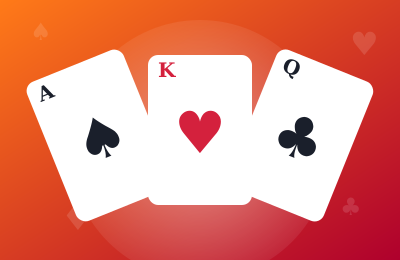
A pure sequence in rummy is a group of three or more consecutive cards belonging to the same suit, arranged in the correct order without using a Joker to replace a missing card. It is one of the most important concepts in 13-card Indian Rummy because a valid declaration generally requires at least one pure sequence.
For beginners, understanding pure sequences makes it easier to organise cards, identify valid combinations, and avoid declaration mistakes. This guide explains the rules, examples, differences between pure and impure sequences, and common errors.
What Is a Pure Sequence in Rummy?
A pure sequence is formed when three or more cards of the same suit follow one another in consecutive rank order without a Joker substituting for a card.
For example:
- 5♥ – 6♥ – 7♥: A valid pure sequence.
- 9♣ – 10♣ – J♣ – Q♣: A valid four-card pure sequence.
- A♦ – 2♦ – 3♦: A commonly accepted low-Ace sequence.
The cards must belong to the same suit, and their ranks must be consecutive. A group containing different suits or a missing rank does not qualify as a pure sequence.
Rules of a Pure Sequence in Rummy
Remember these essential rules when checking a combination:
1. Use Cards of the Same Suit
Every card in the sequence must belong to the same suit. For example, 4♠ – 5♠ – 6♠ is valid, while 4♠ – 5♥ – 6♠ is not a valid sequence.
2. Arrange Cards in Consecutive Order
The ranks must follow one another without a gap. For example, 7♦ – 8♦ – 9♦ is valid, but 7♦ – 9♦ – 10♦ is not a valid sequence because the ranks are not consecutive.
3. Do Not Use a Joker as a Substitute
A printed Joker or a wild Joker cannot replace a missing card in a pure sequence. For example, 5♣ – Joker – 7♣ is an impure sequence if the Joker represents 6♣.
Some Indian Rummy formats allow a wild-Joker card to appear in its natural rank and suit without making the sequence impure. Check the specific game's rules before relying on this exception.
4. A Sequence Can Contain More Than Three Cards
A pure sequence can contain four, five, or more consecutive cards of the same suit. For example, 3♥ – 4♥ – 5♥ – 6♥ is also a pure sequence.
Valid and Invalid Pure Sequence Examples
| Card combination | Result | Reason |
|---|---|---|
| 5♥ – 6♥ – 7♥ | Valid | Same suit and consecutive ranks |
| 8♠ – 9♠ – 10♠ – J♠ | Valid | Four consecutive cards of one suit |
| A♦ – 2♦ – 3♦ | Commonly valid | Ace is used at the low end |
| 4♣ – 5♦ – 6♣ | Invalid | Cards have different suits |
| 5♠ – Joker – 7♠ | Not pure | Joker replaces the missing 6♠ |
| 7♥ – 9♥ – 10♥ | Invalid | The ranks are not consecutive |
| K♠ – A♠ – 2♠ | Generally invalid | Ace does not normally wrap around |
Ace rules can vary between game formats. In common Indian Rummy rules, A-2-3 and Q-K-A may be accepted, while K-A-2 is not. Always confirm the rules of the particular game.
Pure Sequence vs Impure Sequence
The main difference is whether a Joker replaces a missing card.
| Feature | Pure sequence | Impure sequence |
|---|---|---|
| Card order | Consecutive | Consecutive |
| Suit | Same suit | Same suit |
| Joker substitution | Not allowed | Allowed under the rules |
| Example | 5♦ – 6♦ – 7♦ | 5♦ – Joker – 7♦ |
| Role in a standard 13-card declaration | Usually compulsory as at least one sequence | Can serve as another valid sequence |
Both types can be useful, but an impure sequence does not normally satisfy the requirement for a pure sequence.
Why Is a Pure Sequence Important in Indian Rummy?
In standard 13-card Indian Rummy, a valid declaration generally requires all 13 cards to be arranged into valid groups, including at least two sequences, of which at least one must be pure.
A hand containing several sets or Joker-based combinations may still be invalid if it lacks a required pure sequence. This is why players commonly look for a natural sequence early in the game.
For more details, read our guide to Rummy Rules for 2, 3 and 4 Players.
Tips for Forming a Pure Sequence
- Sort cards by suit: This helps you spot consecutive cards quickly.
- Look for connected ranks: Cards such as 6♥ and 7♥ can be extended with a suitable neighbouring card.
- Check small gaps: A combination such as 6♣ and 8♣ needs 7♣ to complete a three-card sequence.
- Keep the Joker's role clear: Do not mistake a Joker substitution for a pure sequence.
- Review the complete hand: Forming one pure sequence alone does not make the entire declaration valid.
These are general card-organisation tips, not a guarantee of winning. The cards you receive and the rules of the particular game affect your options.
Common Mistakes to Avoid
- Mixing suits: Consecutive ranks from different suits do not form a sequence.
- Using a Joker as a substitute: A sequence using a substituted Joker is generally impure.
- Ignoring the required second sequence: A pure sequence alone is not enough for a standard 13-card declaration.
- Assuming every game has identical rules: Joker and Ace conditions can differ between formats.
- Declaring without checking all cards: Every card must belong to an acceptable group under the game's rules.
You can also read our guide to How Jokers Work in Rummy for a clearer explanation of printed and wild Jokers.
Frequently Asked Questions
What is a pure sequence in rummy?
It is a group of at least three consecutive cards of the same suit without a Joker replacing a missing card.
Is a pure sequence compulsory in Indian Rummy?
In standard 13-card Indian Rummy, at least one pure sequence is generally required for a valid declaration.
Can a pure sequence contain four cards?
Yes. Four or more consecutive cards of the same suit can form a pure sequence.
Can a Joker be part of a pure sequence?
A Joker cannot substitute for a missing card in a pure sequence. Some rule sets allow a wild Joker to count at its natural rank and suit, so check the game's rules.
What is the difference between a pure sequence and a set?
A sequence contains consecutive cards of the same suit. A set contains cards of the same rank in different suits, subject to the game's rules.
Can I declare with a pure sequence and sets only?
Not under standard 13-card Indian Rummy rules, which generally require at least two sequences, including one pure sequence. Check the specific format's declaration requirements.
Conclusion
A pure sequence is a basic but essential part of understanding Indian Rummy. Check that the cards are consecutive, belong to the same suit, and do not use a Joker as a substitute. In standard 13-card Rummy, also verify that the rest of your hand meets the declaration requirements before declaring.
Rummy rules can vary by format and platform, so use the rules displayed for the game you are playing. Play responsibly and within applicable age and legal requirements.
Popular rules searches
Apps to try
 NEW✦✦✦
 NEW✦✦✦
18+ only. Real-money games carry a risk of financial loss. See all apps.