How to Play Rummy: Rules, Sequences, Sets and Beginner Tips
September 18, 2026 · All Rummy APK
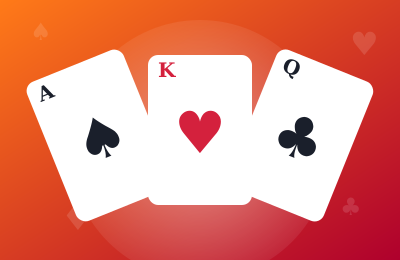
Rummy is a card game in which players arrange cards into valid combinations called sequences and sets. In the popular 13-card Indian Rummy format, each player receives 13 cards and tries to organise their hand before making a valid declaration. Learning the basic rules, understanding jokers, and recognising valid combinations can make the game easier for beginners to follow.
This guide explains how to play rummy step by step, how sequences and sets work, and what to check before declaring. Rules may differ across rummy formats and platforms, so always review the rules for the particular game you are playing.
What Is Rummy?
Rummy is a family of card games based on grouping cards into valid combinations. Different formats have different hand sizes, scoring systems, and winning conditions.
In 13-card Indian Rummy, the main objective is to arrange all 13 cards into valid sequences and sets. A valid declaration generally requires at least two sequences, including at least one pure sequence.
How to Play Rummy Step by Step
Step 1: Understand the Cards
A standard deck contains four suits: hearts, diamonds, clubs, and spades. Each suit contains numbered cards and face cards. Rummy formats may use one or more decks and printed jokers, depending on the number of players and the game's rules.
Step 2: Receive Your Cards
In 13-card Indian Rummy, each player is dealt 13 cards. The remaining cards form the closed deck, and a face-up card typically starts the open discard pile. A card may also be selected to determine the wild Joker, depending on the format.
Step 3: Draw a Card
On your turn, draw one card from either:
- Closed deck: Pick the top face-down card without seeing it first.
- Open deck: Pick the top face-up card from the discard pile.
The available choices depend on the game's rules.
Step 4: Arrange Sequences and Sets
Review your cards and identify combinations that can help complete your hand.
A sequence consists of at least three consecutive cards of the same suit. For example, 4♥ – 5♥ – 6♥.
A set consists of three or four cards of the same rank in different suits, subject to the game's rules. For example, 8♠ – 8♥ – 8♦.
Step 5: Discard One Card
After drawing, discard one card according to the game's rules. This normally leaves you with 13 cards again. Repeat the draw-and-discard process while improving your combinations.
Avoid assuming that every discarded card is safe to give to another player. Think about which cards are useful to your own hand and what your opponents might be collecting.
Step 6: Check Your Hand Before Declaring
In standard 13-card Indian Rummy, a valid declaration generally requires:
- All 13 cards arranged into valid combinations.
- At least two sequences.
- At least one pure sequence.
- All remaining cards arranged into valid sets or sequences.
A hand that does not satisfy the applicable declaration rules may be treated as invalid and could attract a penalty.
Types of Sequences in Rummy
1. Pure Sequence
A pure sequence contains three or more consecutive cards of the same suit without a Joker substituting for a missing card.
Example: 5♠ – 6♠ – 7♠
In standard 13-card Indian Rummy, at least one pure sequence is generally compulsory for a valid declaration.
Learn more in our guide to What Is a Pure Sequence in Rummy?.
2. Impure Sequence
An impure sequence uses a Joker to substitute for a missing card while completing a sequence.
Example: 5♦ – Joker – 7♦, where the Joker represents 6♦.
An impure sequence can help complete a hand, but it generally cannot replace the required pure sequence. A wild Joker used in its natural rank and suit may be treated differently under some rules.
For more details, read How Jokers Work in Rummy.
What Is a Set in Rummy?
A set is a group of three or four cards of the same rank, normally from different suits.
Valid example: 9♠ – 9♥ – 9♦
Another example: K♠ – K♥ – K♦ – K♣
Jokers may be allowed in sets under the applicable rules. A set is different from a sequence because the cards share the same rank rather than following consecutive ranks in one suit.
How Do Jokers Work in Rummy?
Rummy may include printed Jokers and wild Jokers.
- Printed Joker: A Joker card included in the deck.
- Wild Joker: A card rank or card selected to act as a substitute under the game's rules.
Jokers can help complete eligible sets or impure sequences. However, the rules for pure sequences, natural use of a wild Joker, and declaration requirements should be checked for the chosen format.
Rummy Scoring Basics
In many 13-card Indian Rummy formats, unmatched cards carry penalty points when another player makes a valid declaration. Common values include:
| Card | Common penalty value |
|---|---|
| Ace | 10 points |
| King, Queen and Jack | 10 points each |
| Number cards 2–10 | Face value |
| Joker | 0 points |
These are common Indian Rummy values, not universal rules for every rummy game. Some formats use different scoring systems, point limits, or round structures.
To understand card values in more detail, visit our Rummy Card Values and Points Calculation Guide.
Beginner Tips for Playing Rummy
Focus on a Pure Sequence First
Look for consecutive cards of the same suit. Building a pure sequence early can help you meet an essential declaration requirement in standard 13-card Indian Rummy.
Organise Cards by Suit and Rank
Sorting cards makes it easier to identify possible sequences, useful connections, and combinations that are unlikely to work.
Use Jokers Carefully
A Joker can be valuable when it completes a combination. Remember that a Joker substituting for a missing card generally creates an impure sequence rather than a pure one.
Review High-Value Unmatched Cards
In formats that score unmatched cards, high-value cards can increase your penalty if they remain ungrouped. Consider your hand and the rules before deciding what to keep or discard.
Check the Full Declaration
Before declaring, confirm that every card belongs to a valid group, the required sequences are present, and the hand follows the format's rules. A completed-looking hand is not necessarily a valid one.
These tips can help you understand the game, but they cannot guarantee a particular result.
Common Rummy Mistakes to Avoid
- Mixing suits in a sequence.
- Treating a Joker-substituted sequence as pure.
- Forgetting the minimum sequence requirements.
- Declaring before checking every card.
- Assuming all rummy formats have the same scoring and Joker rules.
- Ignoring the rules displayed for the specific game or table.
Frequently Asked Questions
How many cards does each player get in Indian Rummy?
In standard 13-card Indian Rummy, each player receives 13 cards. Other rummy formats may deal a different number.
What is the main objective of rummy?
The objective is to arrange cards into valid combinations according to the chosen format. In 13-card Indian Rummy, a valid declaration generally needs at least two sequences, including one pure sequence.
What is the difference between a sequence and a set?
A sequence contains consecutive cards of the same suit, such as 4♥ – 5♥ – 6♥. A set contains cards of the same rank in different suits, such as 8♠ – 8♥ – 8♦.
Can you play rummy with jokers?
Yes. Many rummy formats use printed or wild Jokers to complete eligible combinations. The exact Joker rules depend on the format.
Is a pure sequence compulsory in rummy?
At least one pure sequence is generally required for a valid declaration in standard 13-card Indian Rummy. Requirements may differ in other formats.
Are all rummy games played with 13 cards?
No. Thirteen cards are standard for Indian Rummy, but other versions, including Gin Rummy, use different hand sizes and rules.
Conclusion
Learning how to play rummy starts with understanding the draw-and-discard process, recognising valid sequences and sets, and knowing how Jokers work. In 13-card Indian Rummy, focus on building a pure sequence and check all declaration requirements before finishing a hand.
Rules can differ between formats and platforms. Read the applicable rules before playing, and play responsibly within applicable age and legal requirements.
Popular rules searches
Apps to try
 NEW✦✦✦
 NEW✦✦✦
18+ only. Real-money games carry a risk of financial loss. See all apps.